Whitehorse guide
Northern Lights Near Whitehorse: When To Go And Where To Look
The aurora is visible from Whitehorse itself, with the season running August to April and the best hours between 10 p.m. and 3 a.m. Here is how to pick a night, get out of the city lights and dress for the wait.

Written by Whitehorse Local Desk
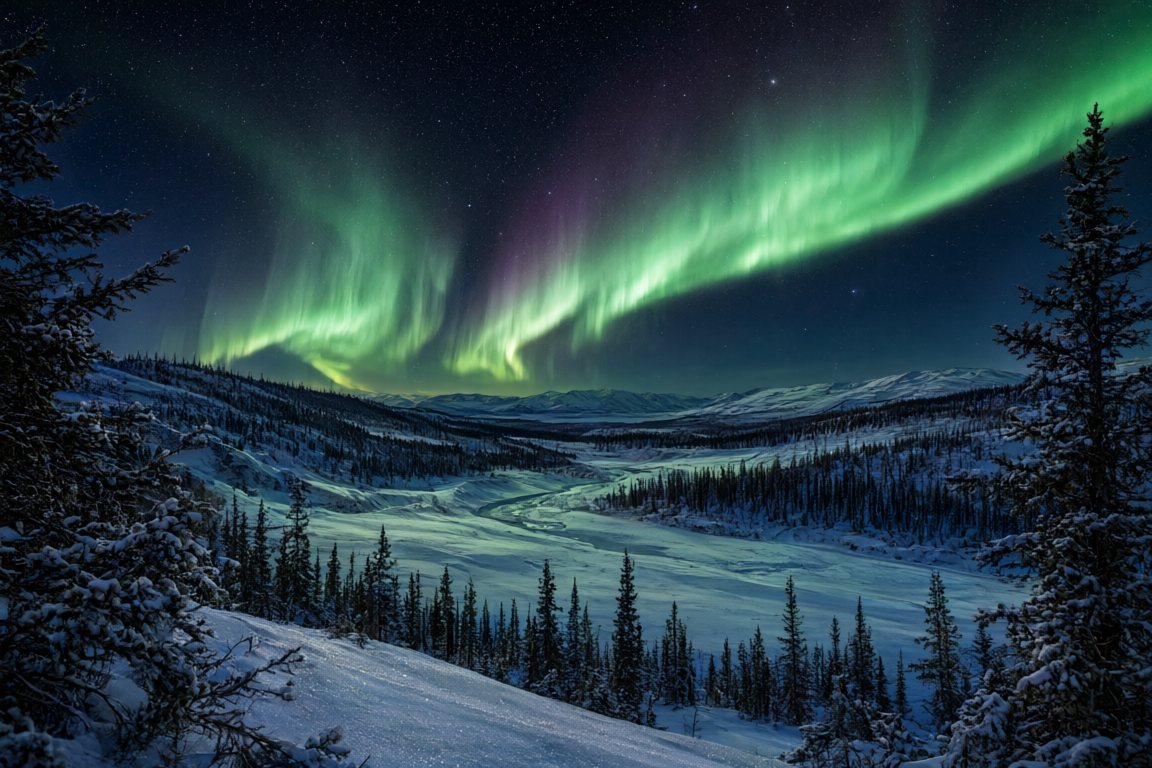
The northern lights are visible from Whitehorse itself, and the season runs from August to April with the best viewing between 10 p.m. and 3 a.m. You do not need to fly anywhere or book a remote lodge to see them, but you do need dark skies, clear weather and a bit of patience. Getting out of the city lights is the single change that makes the most difference.
Why Whitehorse Works So Well
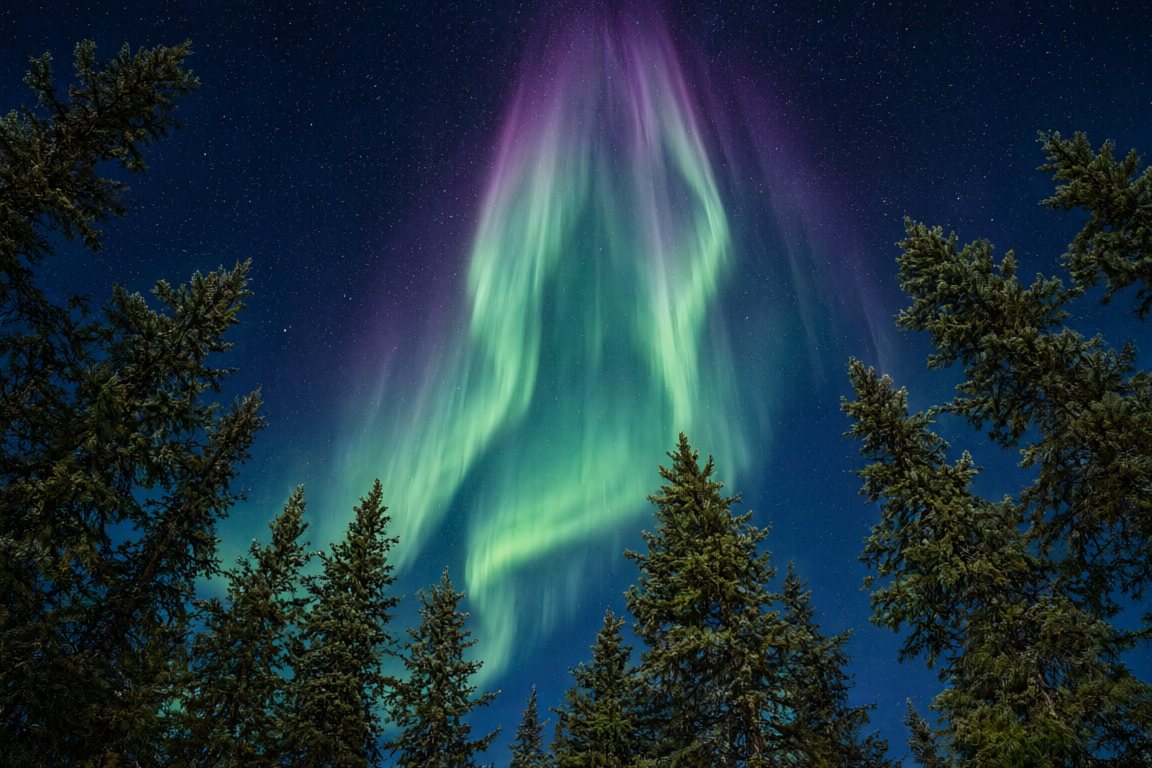
The Yukon sits close enough to the magnetic pole that the aurora appears overhead rather than as a faint smudge on the horizon, which is why the territory is rated among the best places in North America to watch it. The light itself comes from charged particles from the sun striking the upper atmosphere, and the colour you see depends on which gases are being excited and how high up it happens. Green is the most common, and stronger displays add violet or red edges along the lower fringe.
Because the display happens high above the weather, cloud cover is the thing that ruins a night more often than weak solar activity. A strong forecast means nothing under a solid overcast, so check the sky before you check the numbers.
When To Go
Travel Yukon puts the season at August to April, which is longer than most visitors expect. Autumn and spring are popular because the nights are dark enough for the aurora while the temperatures stay survivable. Deep winter gives you the longest darkness and often the clearest air, but it also asks you to stand still in serious cold, which is a different kind of commitment.
Within any night, the window from 10 p.m. to 3 a.m. is the productive one. Plan to be in position before 10 rather than arriving at it, because the display can build quietly and you do not want to spend the first half hour finding a place to pull over.
One thing worth checking is the moon. A full moon lights up the snow and the sky enough to wash out a moderate aurora, so a night near the new moon will show you more than a bright one with the same forecast.
Getting Away From The Lights
Whitehorse is small, but its streetlights still wash out the fainter end of a display. The fix is simply to drive a short way out of town, park somewhere safe and legal, and give your eyes twenty minutes to adjust. Once you are dark adapted you will pick up structure that looked like grey cloud on arrival.
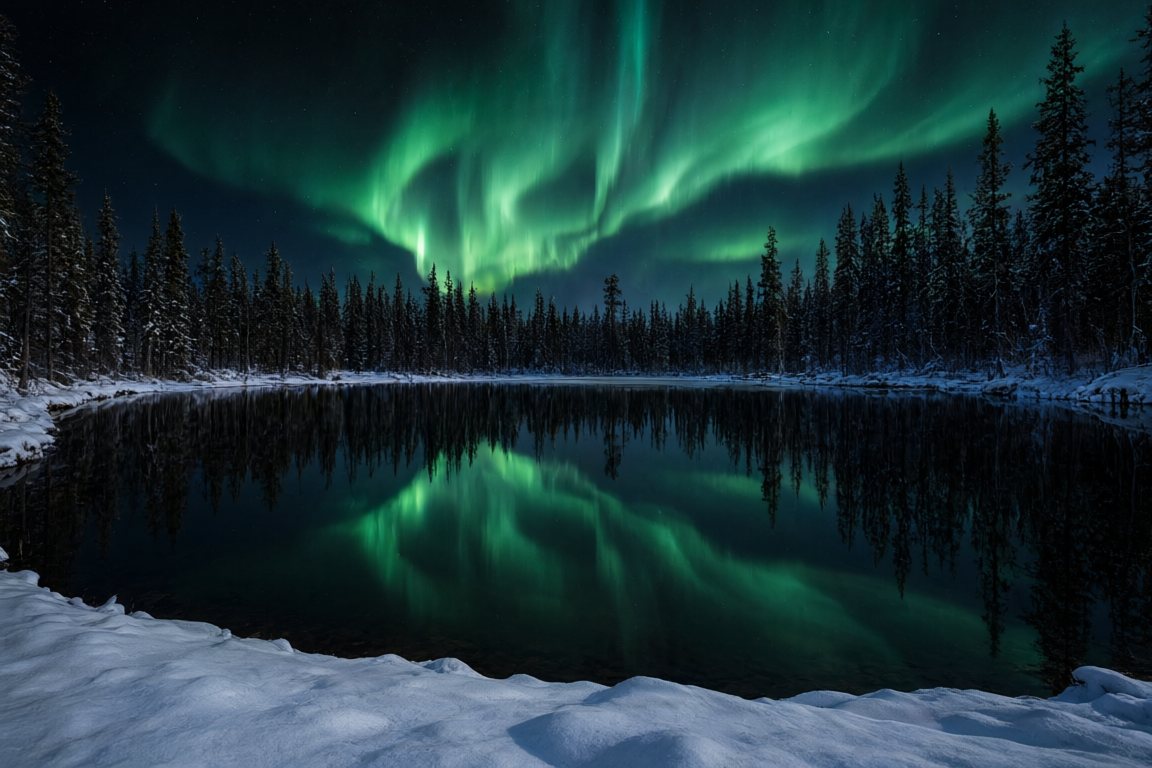
Look for a spot with an open view to the north and no headlights sweeping across you. A lake shore or a pull-out with the treeline behind you works well, and a still lake gives you the reflection as a bonus. Avoid stopping on a highway shoulder, and keep your headlights off once you are parked so you are not the light pollution you drove out to escape.
If you would rather not work out the logistics yourself, local operators run guided aurora evenings with transport, warm shelter and hot drinks. That is a reasonable choice for a first night, and you can then repeat it on your own once you know what you are looking for.
What To Bring And How To Dress
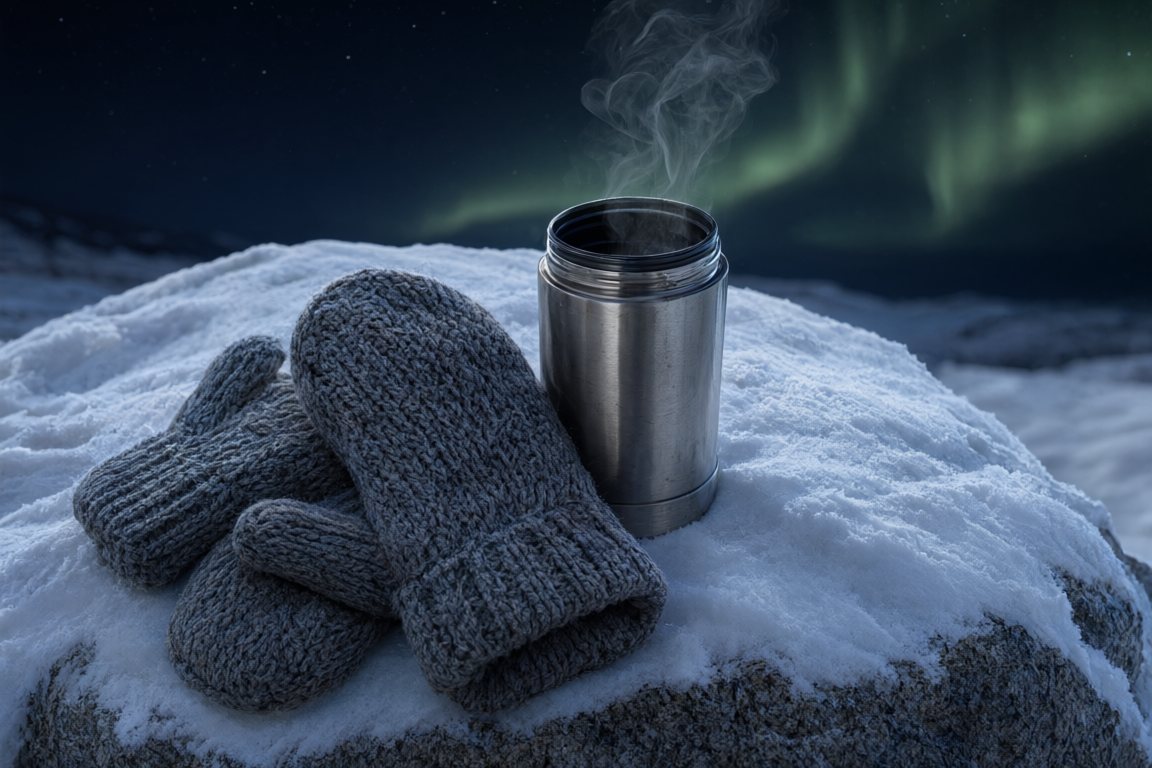
Standing still is much colder than walking, so dress for the waiting rather than the drive. Insulated boots, mittens rather than gloves, a windproof outer layer and something over your face make the difference between an hour and ten minutes. A thermos of something hot and a foam pad or a folded blanket to sit on are the two additions people most often wish they had brought.
Bring a headlamp with a red mode if you have one, because white light resets your night vision every time you check something. Keep your phone in an inside pocket, since cold drains batteries fast and you will want it for the forecast.
Photographing It Without Guesswork
A phone with a night mode will record a strong display, but a camera on a tripod gives you far more. Start with a wide aperture, a few seconds of exposure and an ISO in the low thousands, then adjust from the first frame rather than trying to calculate it in the dark. Focus manually on a bright star or a distant light before the aurora appears, because autofocus will hunt in the dark and ruin every frame.
Questions Often Asked
Can you see the aurora from downtown Whitehorse? Yes, on a strong night you can, but the city lights hide the fainter structure. A short drive out of town shows you considerably more.
What months are best? August through April is the viewing season, with the darkest and clearest nights in midwinter.
What time should you be outside? Between 10 p.m. and 3 a.m., and settled in before 10 rather than arriving then.
Does a full moon matter? It does. Moonlight brightens the sky and reduces what you can see, so a night nearer the new moon is better with the same forecast.